How Software Architects Engineer Progressive Jackpot Linkages Across Multi-Operator Networks to Streamline Credit Allocation for Frequent Participants
Xander Schmitt · Aug 19, 2026
How Software Architects Engineer Progressive Jackpot Linkages Across Multi-Operator Networks to Streamline Credit Allocation for Frequent Participants
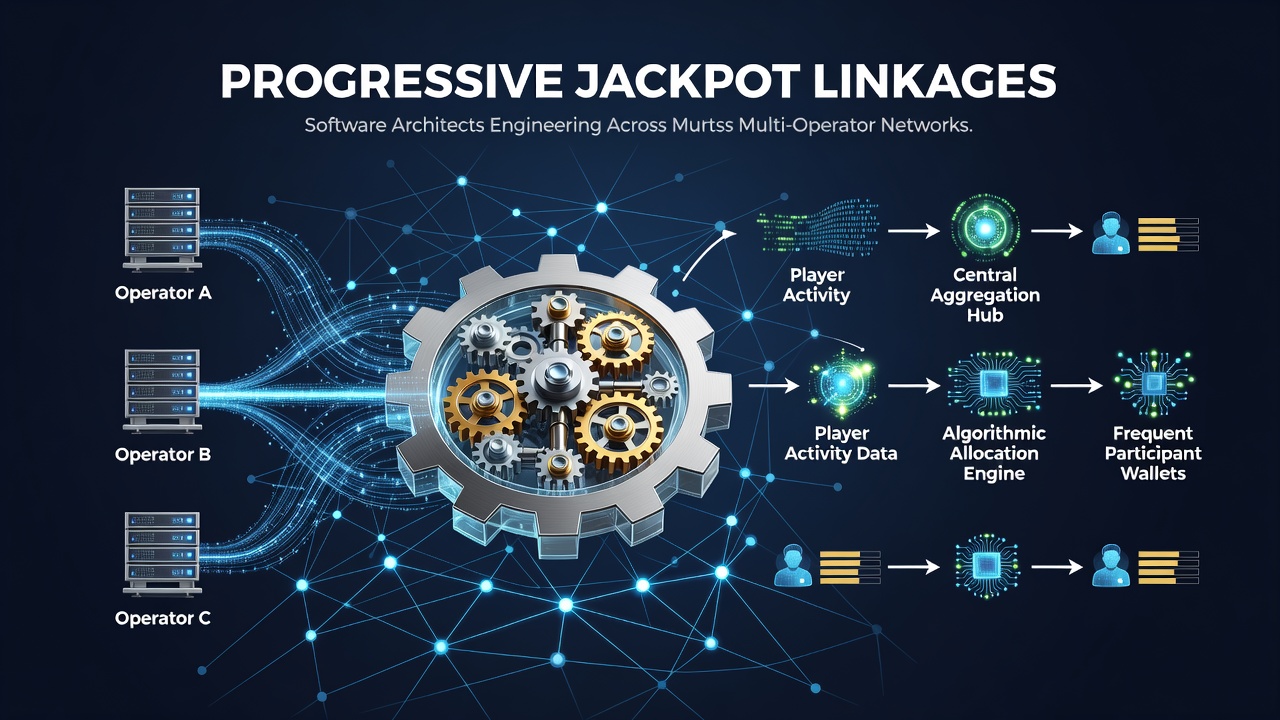
Progressive jackpot systems connect multiple gaming platforms through shared contribution pools, and software architects design the underlying linkages that allow operators to pool funds while maintaining accurate player credit tracking across separate networks. These architectures rely on centralized controllers that receive incremental contributions from each connected site, calculate the growing prize pool in real time, and distribute winnings according to predefined rules that account for each operator's stake in the total.
Core Technical Components of Multi-Operator Linkages
Architects typically implement a hub-and-spoke model where a central jackpot server aggregates data from individual operator nodes, and each node runs local software that communicates contribution amounts, player session data, and win events through encrypted channels. Data synchronization occurs via application programming interfaces that follow standardized formats such as those outlined by the International Gaming Standards Association, allowing different platforms to exchange information without exposing proprietary backend systems.
Network latency becomes a critical factor when operators span multiple jurisdictions, so architects incorporate message queuing systems and redundant failover paths that keep jackpot totals consistent even during brief connectivity interruptions. In August 2026 several large-scale deployments began testing enhanced queuing protocols that reduced desynchronization events by routing updates through geographically distributed edge servers.
Credit Allocation Mechanisms for Frequent Participants
Allocation logic tracks each player's contribution history across all linked operators and applies proportional weighting when determining eligibility for bonus credits or jackpot shares. Software modules maintain a unified player ledger that receives encrypted feeds from loyalty databases at each participating site, then calculates reward tiers based on aggregated play volume rather than isolated session data.
Tokenization techniques assign unique identifiers to frequent participants so that credit adjustments occur without revealing personal details between operators. Architects integrate these systems with existing casino management platforms through middleware layers that handle currency conversion, regulatory reporting, and audit trails in a single workflow.

Security Protocols and Regulatory Compliance
Encryption standards such as TLS 1.3 combined with hardware security modules protect data in transit and at rest, while role-based access controls limit which staff members at each operator can view aggregated jackpot figures or individual credit allocations. Independent testing laboratories certify the random number generators and payout algorithms before networks go live, and ongoing monitoring tools flag anomalies that might indicate tampering or system drift.
Regulatory bodies in different regions require operators to submit periodic reports on jackpot contributions and player reward distributions. Architects embed compliance reporting functions directly into the linkage software so that data exports meet the formatting requirements of bodies like the Nevada Gaming Control Board and the Australian Communications and Media Authority without manual intervention.
Integration Challenges Across Diverse Platforms
Operators often run incompatible legacy systems, which forces architects to develop translation layers that convert proprietary data structures into a common interchange format. These layers must process high volumes of transactions during peak hours without introducing delays that could affect jackpot visibility or credit posting times. Load testing conducted by engineering teams routinely simulates thousands of simultaneous contributions to verify that allocation calculations remain accurate under stress.
One documented implementation involved three European operators and two North American sites that linked their progressive pools through a shared controller hosted in a neutral data center. The project required custom reconciliation scripts to handle differences in tax withholding rules and currency rounding conventions before player credits could be finalized.
Performance Monitoring and Continuous Optimization
Real-time dashboards display contribution rates, pool growth, and allocation statistics so that network administrators can identify bottlenecks quickly. Machine learning models analyze historical patterns to predict periods of high activity and pre-allocate processing resources accordingly. Updates to linkage software follow staged rollout procedures that allow individual operators to validate changes before they affect the entire network.
According to figures published by the American Gaming Association, linked progressive systems accounted for a measurable share of total slot revenue in monitored markets during the first half of 2026. Separate analysis from the European Gaming and Betting Association indicated that standardized credit allocation protocols reduced administrative overhead for participating operators by consolidating reporting workflows.
Conclusion
Software architects continue to refine linkage designs that balance jackpot growth speed with precise credit tracking across operator boundaries. The resulting systems deliver unified player experiences while satisfying the technical and regulatory demands of multi-jurisdictional networks. Ongoing advancements in queuing technology, encryption methods, and compliance automation support further expansion of these shared progressive structures.