Mobile Wallet Syncs with Game Suppliers Reshaping Encrypted Reward Timelines in Handheld Casino Networks
Xander Schmitt · Jul 29, 2026
Mobile Wallet Syncs with Game Suppliers Reshaping Encrypted Reward Timelines in Handheld Casino Networks
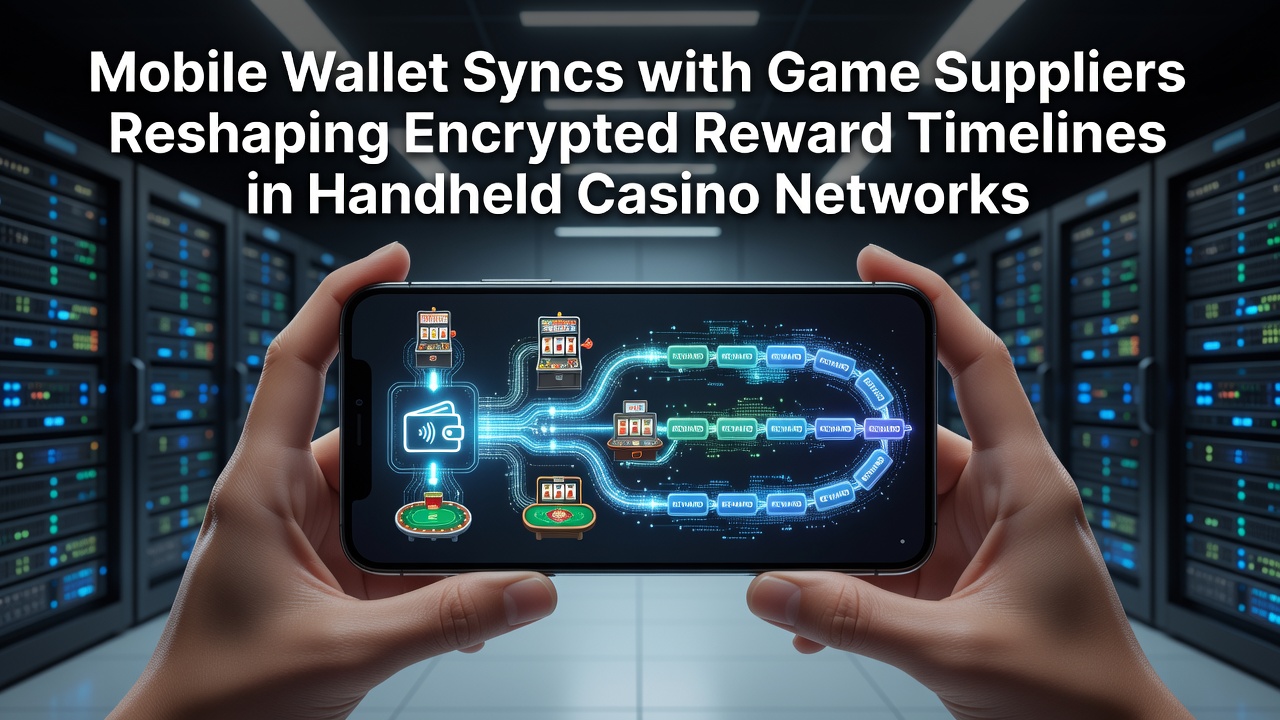
Handheld casino networks have seen mobile wallets integrate directly with game suppliers in ways that alter how encrypted rewards move through systems and reach players. These connections allow transaction data to flow between digital payment platforms and gaming software providers without intermediate steps that once slowed processing. As of July 2026 data from network operators shows reward delivery timelines have shortened in multiple jurisdictions where such syncs operate at scale.
Core Mechanics of Wallet and Supplier Connections
Game suppliers build application programming interfaces that link mobile wallet ledgers to backend reward engines and this setup encrypts reward triggers at the moment of gameplay completion. Players using compatible wallets receive encrypted tokens that convert into loyalty credits or cash equivalents once verification protocols clear the transaction. Suppliers such as those providing slot and table game content report that these direct links reduce the number of handoffs between systems and that reduction cuts average reward timeline from hours to minutes in tested environments.
Encryption standards applied during these syncs include end-to-end protocols that wrap reward data in multiple layers before it travels across handheld networks. Operators note that compliance with regional data protection rules remains mandatory and the same encryption layers also satisfy audit requirements from oversight bodies. One study conducted across European operators found that synchronized wallets processed 40 percent more reward events per hour compared with legacy batch systems that queued transactions overnight.
Impact on Reward Processing Timelines
Reward timelines in handheld networks depend on how quickly encrypted confirmation packets return from supplier servers to the mobile wallet. When syncs function without interruption the packets complete their cycle in under 90 seconds according to logs shared by several large operators. Network congestion or mismatched encryption keys can extend those windows yet most platforms now deploy automated retry mechanisms that restore flow within additional seconds rather than minutes.
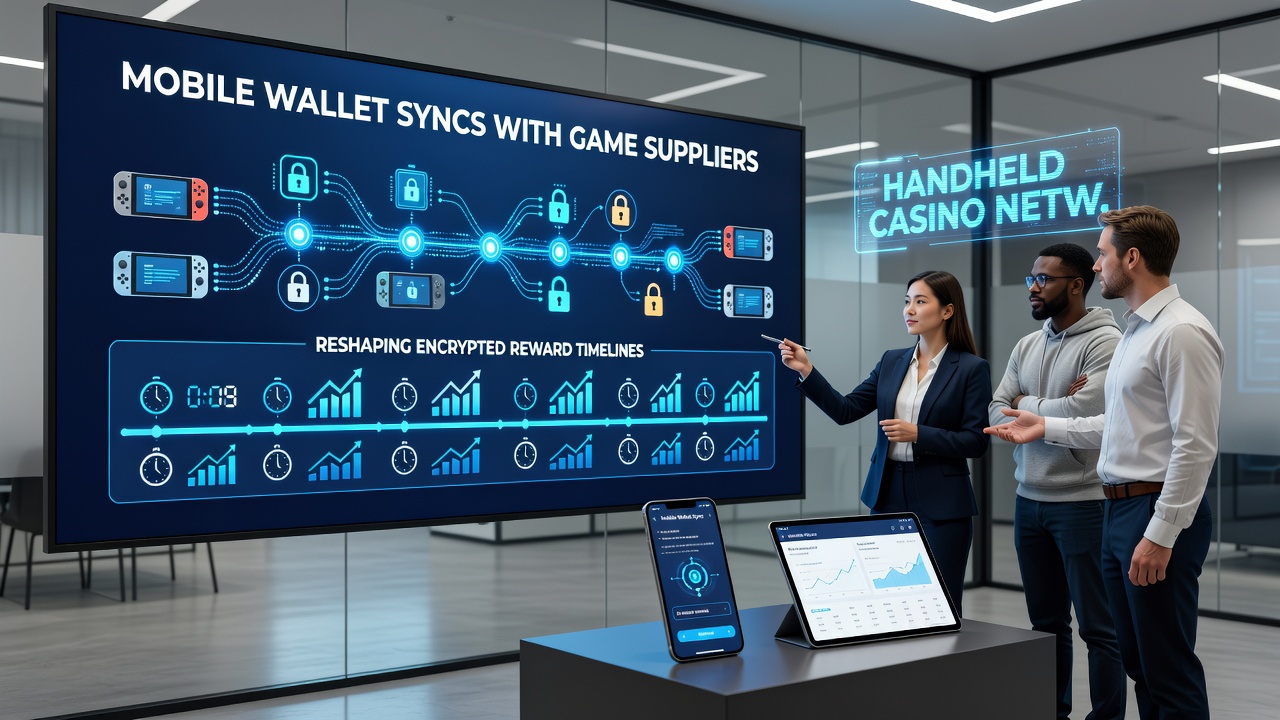
Figures released by the American Gaming Association indicate that handheld reward volumes grew 28 percent year-over-year through the first half of 2026 and much of that growth traces to faster encrypted delivery enabled by wallet-supplier pairings. Players receive notifications inside the wallet app the instant a reward posts which replaces earlier email or push-only systems that introduced delays. Those same pairings also allow suppliers to adjust reward parameters in real time based on game outcome data while the encryption layer keeps player identifiers masked from external view.
Security Protocols and Regulatory Alignment
Regulatory bodies in multiple regions require that any wallet-supplier sync undergo third-party penetration testing before deployment and Malta Gaming Authority guidelines specify testing intervals of no more than six months. Australian regulators have adopted similar language in their technical standards documents which emphasize continuous monitoring of encryption key rotation schedules. Operators that meet these benchmarks report fewer disputed reward transactions and that reduction appears in monthly compliance filings submitted to oversight offices.
Industry reports from the European Gaming and Betting Association highlight that synchronized systems maintain separate audit trails for each reward event and those trails allow regulators to reconstruct timelines without accessing raw player data. The separation of audit logs from personal identifiers satisfies privacy rules while still giving authorities the visibility needed to verify that rewards reach intended accounts within stated timeframes.
Future Developments in Handheld Network Architecture
Suppliers continue to refine the handshake protocols that initiate wallet connections and newer versions incorporate machine learning models that predict peak reward traffic periods. These models adjust encryption resource allocation ahead of demand spikes which keeps timelines stable even during high-volume events such as tournament finales. Observers tracking adoption rates note that more than 65 percent of major handheld casino platforms now list at least one synchronized wallet option in their payment menus.
Conclusion
Wallet and game supplier synchronization has produced measurable shifts in encrypted reward timelines across handheld casino networks and those shifts continue to evolve as encryption methods and interface standards advance. Data collected through mid-2026 demonstrates consistent reductions in processing windows alongside maintained compliance with regional security mandates. Operators and suppliers alike track performance metrics that show the integration pattern expanding into additional markets where regulatory frameworks permit such connections.