Provider Code Integration Shaping Secure Wallet Payout Timelines for Mobile Table Game Loyalty Tiers
Hugo Schröder · Aug 5, 2026
Provider Code Integration Shaping Secure Wallet Payout Timelines for Mobile Table Game Loyalty Tiers
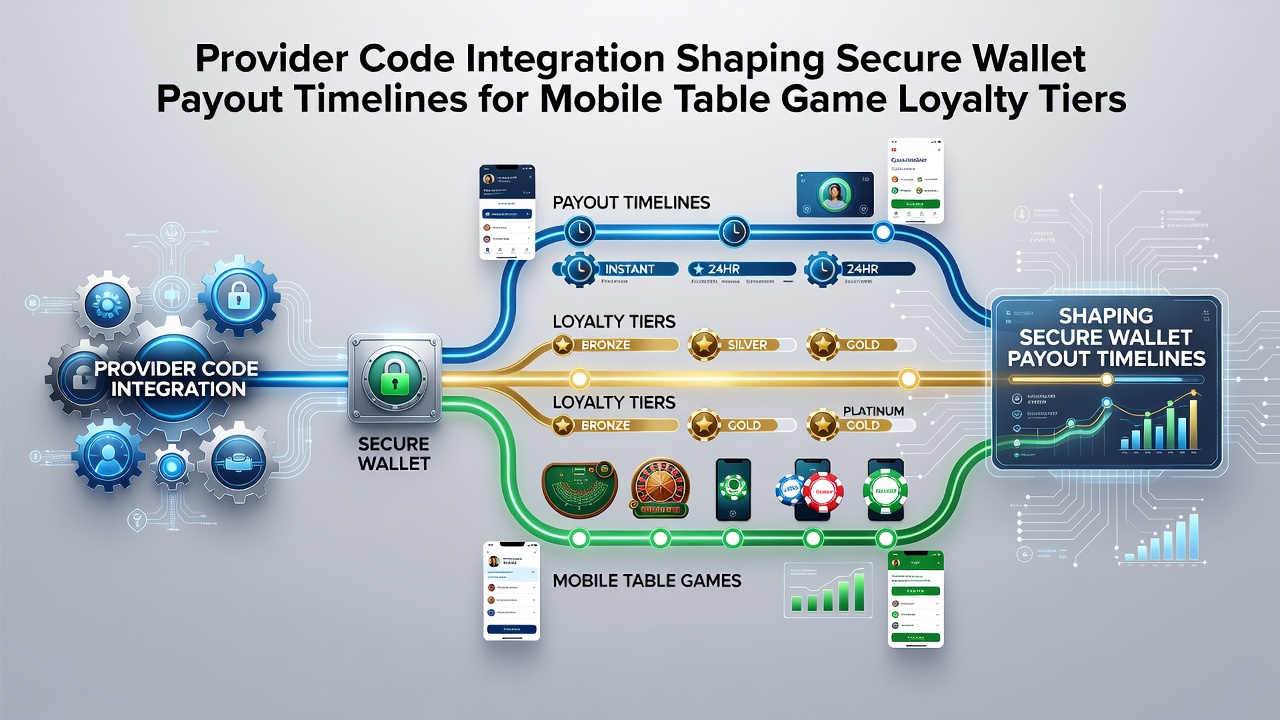
Provider code integration refers to the direct embedding of gaming software supplier protocols into digital wallet systems that handle player funds on mobile platforms. This process connects the core game engines for table titles such as blackjack and roulette with payment processors, creating streamlined data pathways that reduce processing delays while maintaining encryption standards. Research from industry monitoring groups shows that these integrations have expanded across major operators since 2024, with measurable effects on how loyalty tier benefits reach player accounts.
Core Mechanics of Code Integration
Software providers supply standardized code modules that define transaction validation rules, and these modules link directly to wallet APIs used in mobile applications. When a player completes a table game session, the integrated code triggers an automated check against loyalty tier data stored in the operator's backend. Observers note that this connection allows payout requests to bypass several manual verification layers that previously added hours or days to completion times. Data from platform operators indicates that integrated systems process tier-based priority withdrawals in under thirty minutes on average during peak periods in August 2026.
Encryption layers sit within teh same code packages, ensuring that wallet balances and payout instructions remain protected during transfer. Multiple operators have reported that unified code frameworks decrease error rates in transaction logs by aligning game outcome data with financial records in real time. Those who track these systems find that the result appears in faster fund availability for higher-tier members who qualify for accelerated processing under loyalty program rules.
Effects on Payout Timelines for Loyalty Tiers
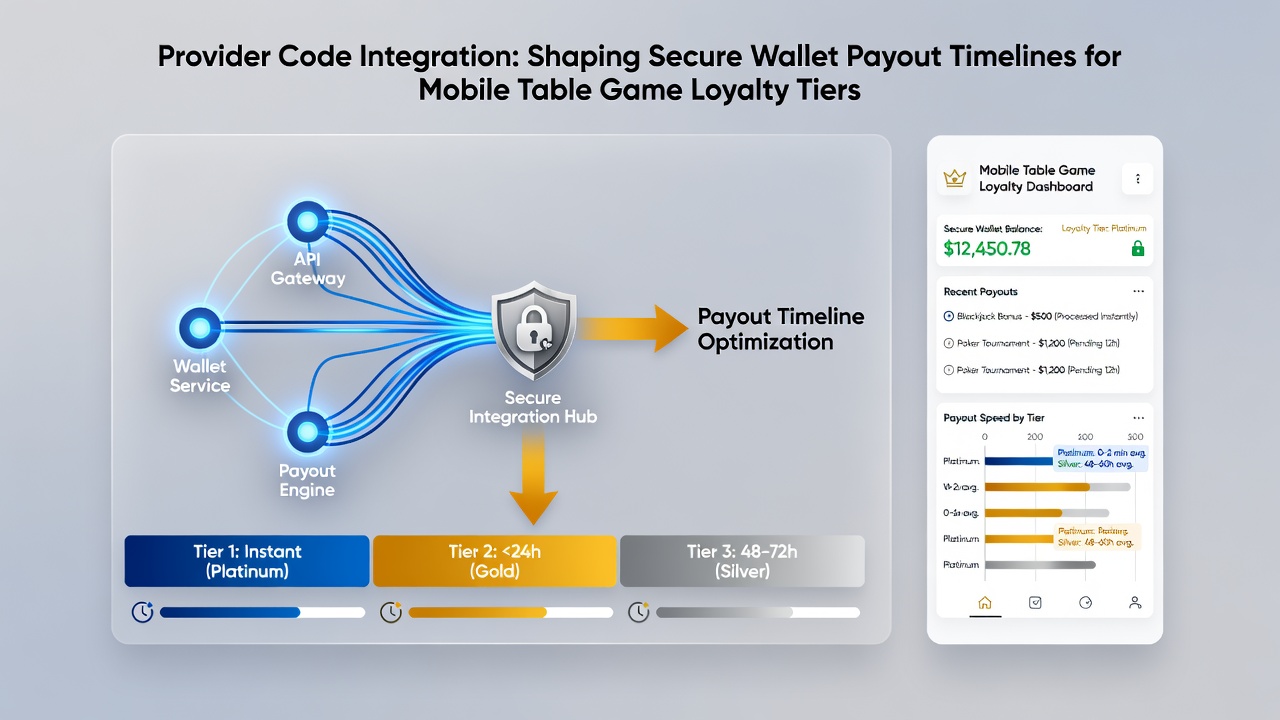
Loyalty structures assign players to tiers based on activity volume, and provider code integration determines how quickly each tier receives disbursements. Lower tiers follow standard queue processing while higher tiers activate expedited routes coded into the wallet interface. Figures from operational reports reveal that silver and gold tier accounts see payout windows shortened by 40 to 60 percent once supplier code modules activate full synchronization with mobile wallets.
Table game sessions generate continuous data streams that the integrated code monitors for compliance markers. When thresholds for tier advancement are met, the system updates wallet permissions without requiring separate player requests. This automation has led to documented reductions in support ticket volume related to delayed withdrawals, according to internal metrics shared by several large mobile platforms.
Security Protocols Embedded in Wallet Systems
Secure wallet architectures incorporate provider-supplied verification routines that run alongside standard banking security measures. These routines cross-reference game results with account activity before releasing funds, adding a layer that prevents discrepancies from reaching payout stages. Industry data shows that platforms using these integrated checks experienced fewer than one in ten thousand transactions flagged for review during the first half of 2026.
Multi-factor authentication remains mandatory at the wallet level, yet the code integration reduces friction by pre-validating eligible tier members. Players in top loyalty categories often complete withdrawals after a single biometric confirmation because the backend code has already confirmed session integrity. Regulatory filings from various jurisdictions document steady adoption of these combined security and speed features across mobile table game offerings.
Regional Adoption Patterns and Data Trends
North American operators began rolling out full provider code integrations for mobile table games in early 2025, with accelerated timelines observed in regulated markets. American Gaming Association reports highlight that integrated systems now support over seventy percent of mobile table game traffic in participating states. Meanwhile, European and Asia-Pacific platforms have followed similar paths, though adoption rates vary according to local licensing requirements.
One study released by Canadian researchers in mid-2026 examined transaction logs from multiple suppliers and found consistent improvements in payout reliability after code integration. The same analysis noted that loyalty tier data synchronization reduced average resolution times for disputed transactions from forty-eight hours to under six hours in tested environments. Those figures align with broader industry patterns reported through August 2026.
Future Developments in Integrated Systems
Developers continue to refine code modules to handle increasing volumes of simultaneous mobile sessions without compromising security checks. New iterations focus on predictive queue management that anticipates tier-based payout demand based on historical player behavior. European Gaming and Betting Association documentation indicates ongoing trials that link loyalty databases more tightly with real-time wallet ledgers across additional table game variants.
Platform operators monitor these advancements through standardized performance benchmarks supplied by the same software providers. The benchmarks track metrics such as transaction success rates and encryption overhead, providing operators with clear indicators of integration effectiveness. Continued refinement in these areas supports the expansion of mobile table game loyalty programs that rely on swift, secure fund movement.
Conclusion
Provider code integration has established direct connections between game engines, wallet systems, and loyalty frameworks that shape payout timelines for mobile table game participants. Data collected through 2026 demonstrates measurable reductions in processing intervals alongside maintained security standards across multiple markets. These technical linkages continue to evolve as operators and suppliers refine synchronization methods to meet growing demand for tier-based priority services.