Randomization Validation Processes Shape Exclusive Benefit Delivery in Mobile Gaming Environments
Noah Schmitt · Aug 3, 2026
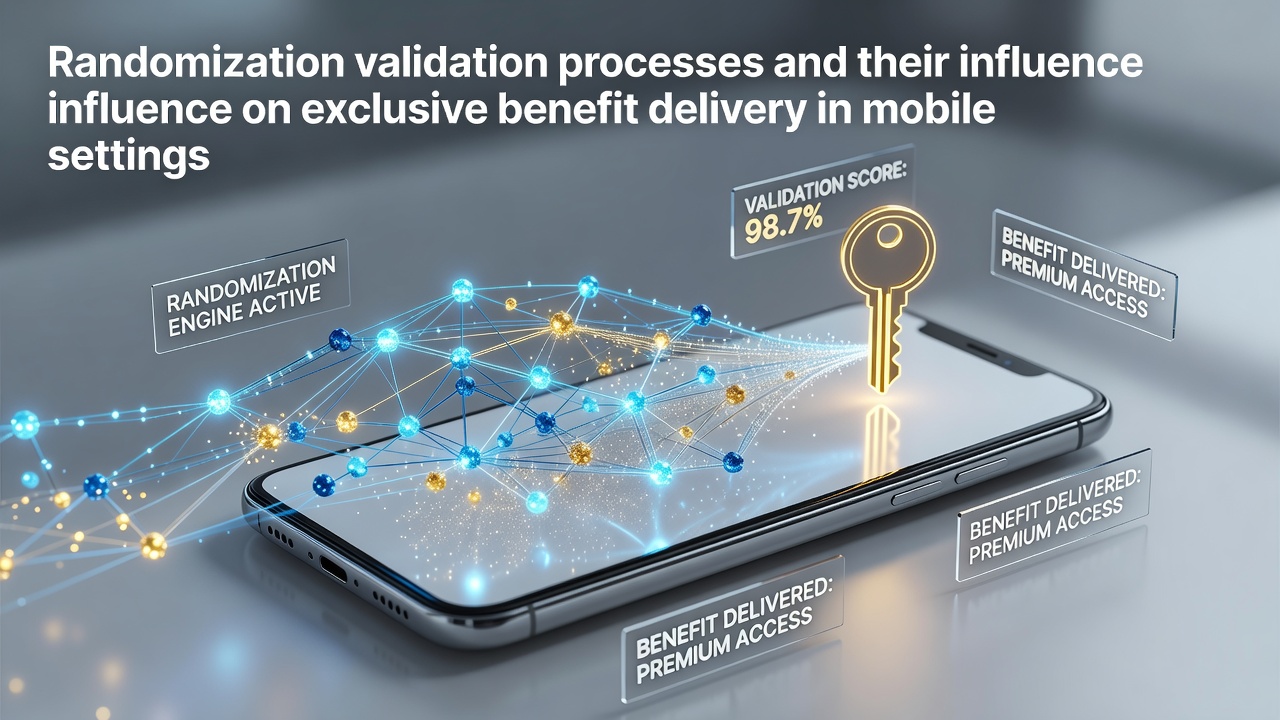
Randomization Validation Processes Shape Exclusive Benefit Delivery in Mobile Gaming Environments
Randomization validation processes serve as the technical foundation that ensures fair outcome generation across mobile gaming platforms while directly affecting how operators deliver exclusive benefits such as personalized bonuses, loyalty rewards, and priority payouts to verified users. These processes rely on certified random number generators that undergo repeated testing by independent laboratories before deployment, and the resulting compliance documentation determines whether mobile systems can release time-sensitive incentives without regulatory interruption.
Core Components of Randomization Validation
Independent testing laboratories evaluate RNG algorithms for statistical randomness, unpredictability, and resistance to pattern recognition before any mobile application receives operational approval. Certification bodies examine seed generation methods, entropy sources, and output distribution across thousands of simulated cycles, while ongoing audits monitor live performance to confirm that mobile devices continue to meet the same standards applied during initial review. Data from the Alcohol and Gaming Commission of Ontario shows that validated RNG modules reduce variance errors by measurable margins when compared against uncertified alternatives, which in turn supports consistent reward calculations for high-tier account holders who receive percentage-based cashback or accelerated loyalty points.
Influence on Exclusive Benefit Timing and Accuracy
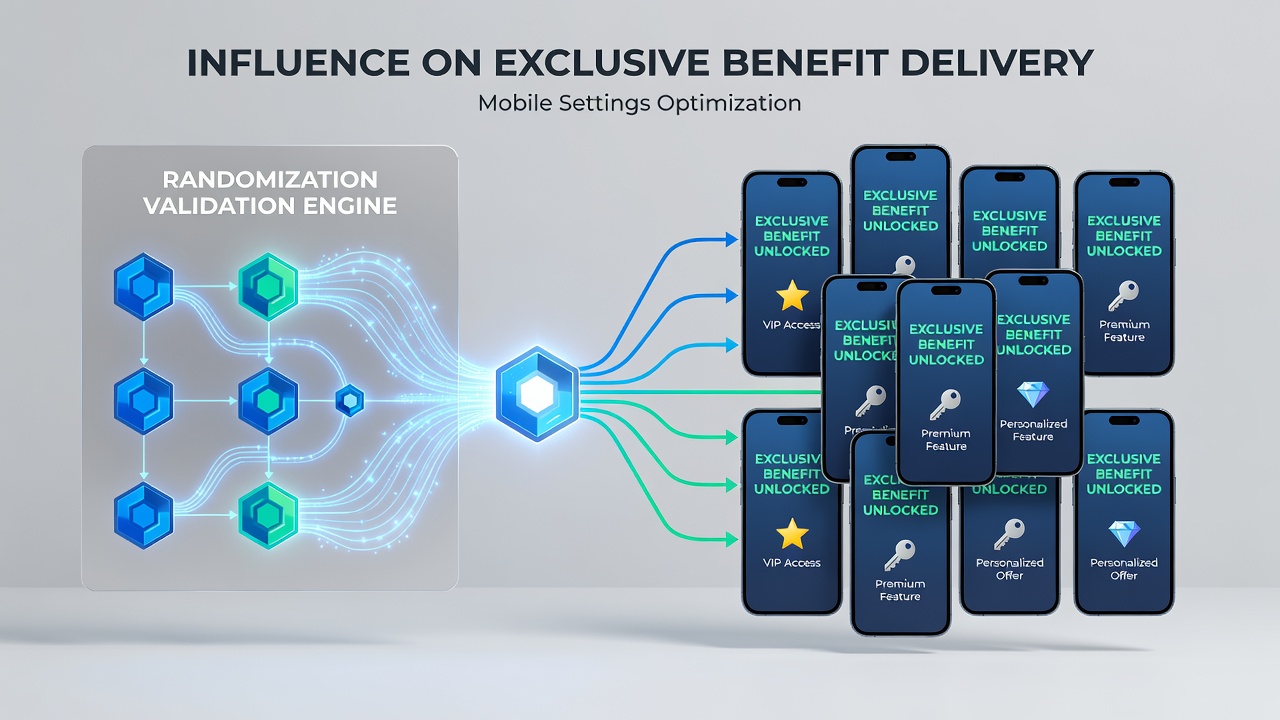
Once randomization passes validation checkpoints, mobile platforms gain the ability to trigger exclusive benefits in real time without risking compliance violations that could freeze reward processing queues. Operators integrate these validated systems with encrypted transaction layers so that VIP members experience immediate credit allocation after qualifying bets or deposits, and the same validation records provide audit trails that satisfy multiple jurisdictional requirements simultaneously. Research published by the University of Nevada's International Gaming Institute indicates that platforms maintaining continuous RNG certification experience fewer delays in delivering segmented promotions, because regulatory reviewers accept the pre-approved randomization data as sufficient evidence of fairness.
Mobile-Specific Technical Considerations
Smartphone environments introduce additional variables such as variable network latency and device-specific entropy collection that validation protocols must address through dedicated mobile testing suites. Engineers adjust certification procedures to account for battery-optimized random generation routines and background synchronization processes, ensuring that exclusive benefit delivery remains stable even when users switch between cellular and Wi-Fi connections. In August 2026 several operators reported deploying updated mobile RNG modules that passed extended field trials across multiple device models, allowing faster release of region-specific loyalty incentives without requiring separate approval cycles for each new handset type.
Regulatory Alignment Across Jurisdictions
Validation standards established by bodies such as the Nevada Gaming Control Board and the Australian Communications and Media Authority create baseline requirements that mobile operators reference when designing cross-border reward programs. These frameworks require documented proof that randomization remains unbiased throughout the entire benefit calculation chain, from initial bet registration to final reward distribution. When platforms demonstrate continuous compliance, regulators permit accelerated processing windows for verified VIP accounts, reducing the administrative hold times that previously delayed exclusive offers in less rigorously validated environments.
Integration with Encrypted Mobile Networks
Modern mobile architectures combine validated RNG outputs with end-to-end encryption so that exclusive benefit data travels securely between device and server without exposure to interception. Validation certificates serve as prerequisites for these encrypted channels, because regulators mandate that only certified randomization sources may feed into automated reward engines handling high-value transactions. Observers note that this layered approach allows operators to scale personalized promotions across large user bases while maintaining the auditability demanded by licensing authorities in multiple regions.
Conclusion
Randomization validation processes continue to function as gatekeepers that determine both the fairness of outcomes and the operational speed at which exclusive benefits reach mobile users. As certification requirements evolve alongside device capabilities, operators that maintain up-to-date validation records position their platforms to deliver time-critical rewards without regulatory friction, while users on compliant systems receive consistent access to segmented incentives that depend on verified random results.