Supplier Innovations in Randomization Technology and Their Connections to Encrypted Bonus Flows in Mobile VIP Networks
Jakob Ludwig · Aug 22, 2026
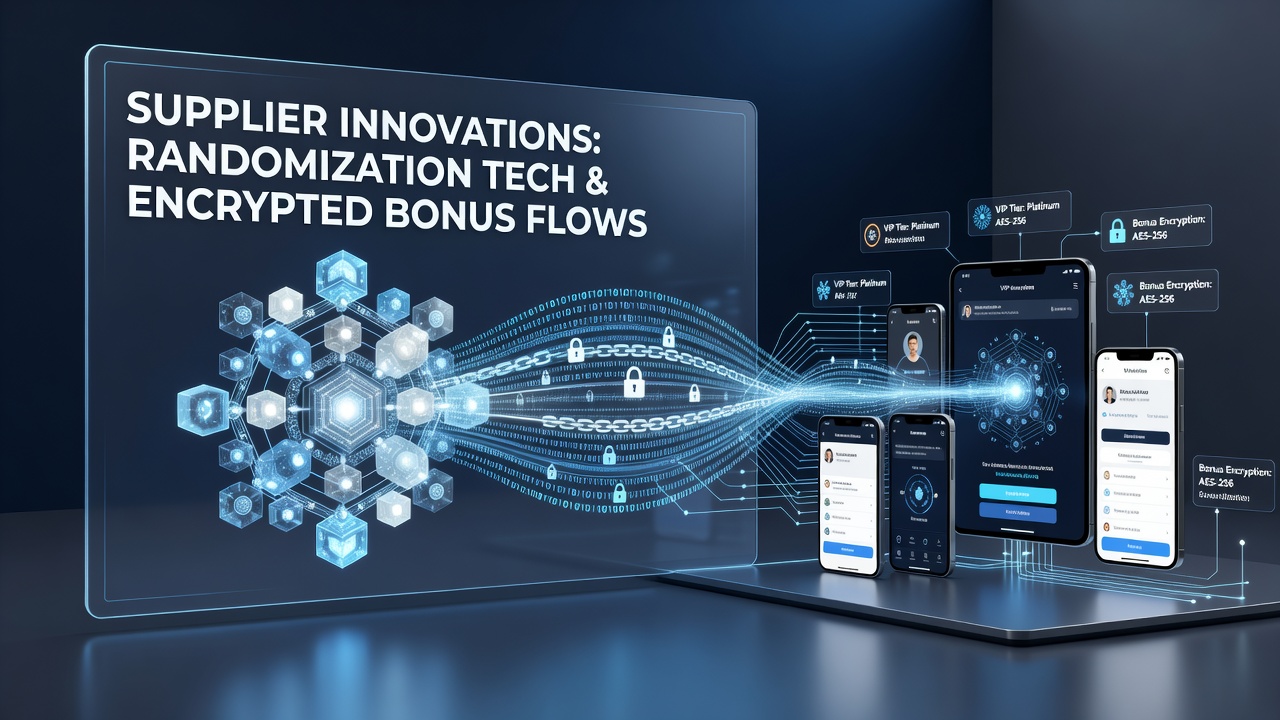
Supplier Innovations in Randomization Technology and Their Connections to Encrypted Bonus Flows in Mobile VIP Networks
Tech suppliers continue to advance randomization systems that integrate directly with encryption layers to manage bonus distribution across mobile VIP networks, and these developments have gained momentum through 2026 as operators expand their digital platforms. According to data from the Nevada Gaming Control Board, mobile gaming transactions involving encrypted reward mechanisms rose notably in the first half of the year, with suppliers introducing algorithms that generate verifiable random outcomes while maintaining secure data pathways for bonus allocation.
Advances in Randomization Hardware and Software
Leading suppliers have shifted toward hybrid randomization engines that combine hardware security modules with software-based pseudorandom number generators, allowing real-time verification of outcomes in mobile environments. These systems link directly to encrypted channels that handle bonus flows, ensuring that reward calculations occur within protected segments of the network rather than in open processing layers. Observers note that such integration reduces latency during high-volume VIP sessions, where multiple bonus triggers activate simultaneously across smartphone applications.
One notable development involves suppliers embedding quantum-resistant encryption protocols into randomization pipelines, a move driven by increasing concerns over data interception in mobile networks. Researchers at institutions tracking gaming technology have documented how these protocols wrap bonus distribution sequences, so that even when VIP members access rewards through wireless connections, the underlying randomization data remains shielded from external access attempts.
Encryption Integration with Bonus Distribution Mechanisms
Encrypted bonus flows rely on randomization outputs to determine eligibility and value, and suppliers have refined this process by creating dedicated data streams that separate game outcome generation from reward encryption keys. This separation allows mobile platforms to process VIP incentives without exposing core randomization logic to the broader network. Figures from industry reports indicate that such segmented architectures have supported faster processing times for priority rewards in several large-scale deployments during August 2026.
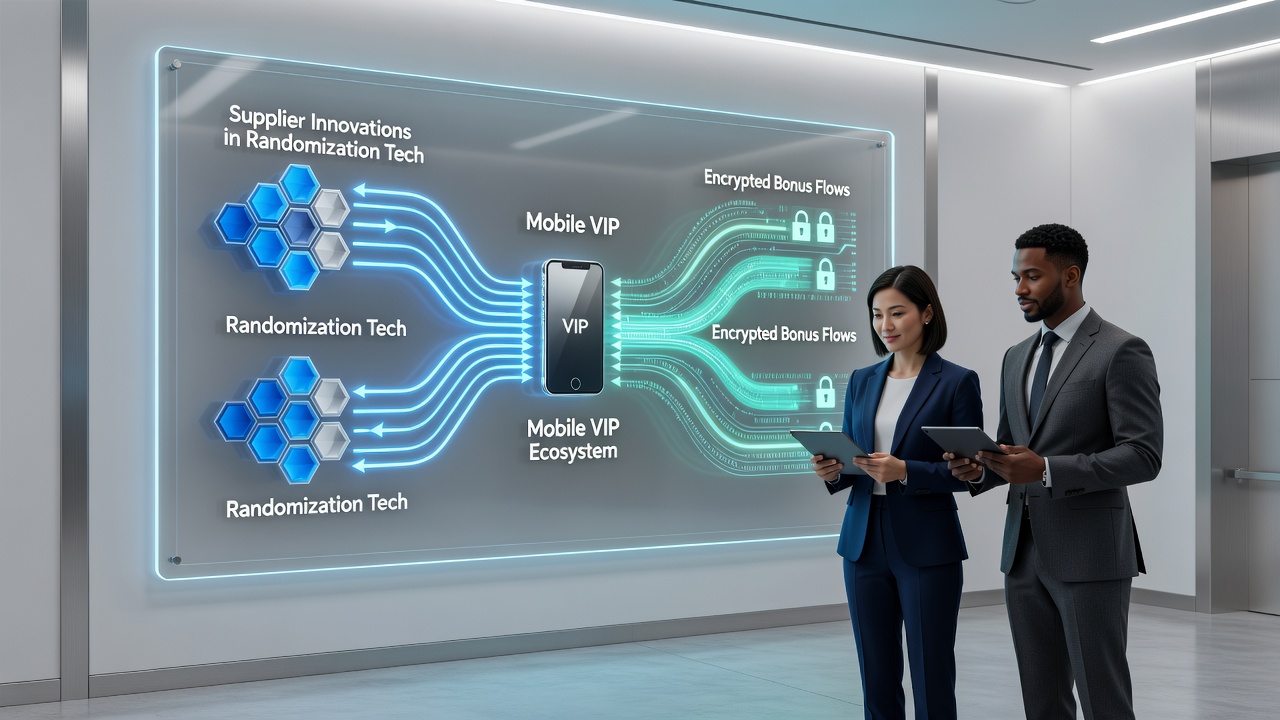
Suppliers have also introduced application programming interfaces that connect randomization engines to existing mobile wallet systems, enabling encrypted bonus credits to appear in user accounts immediately after verified random events occur. Those who manage VIP programs report that these interfaces maintain compliance with regional standards while supporting the high-frequency transactions typical of loyalty structures. The approach connects randomization outputs to encrypted tokens, which then flow through secure mobile pathways without requiring additional verification steps on the user side.
Impact on Mobile VIP Network Operations
Mobile VIP networks depend on consistent randomization to maintain fairness in bonus delivery, and supplier updates have focused on scalability for networks handling thousands of simultaneous sessions. Data shows that platforms adopting updated randomization modules experienced improved synchronization between game results and encrypted reward releases, particularly during peak usage periods. Suppliers have tested these modules in controlled environments that simulate real-world mobile conditions, including variable network speeds and device diversity.
What's notable is how these innovations tie into broader ecosystem requirements, such as audit trails that regulators in multiple jurisdictions examine regularly. For instance, a collaborative study released by the University of Nevada, Las Vegas gaming research group highlighted measurable improvements in transaction traceability when randomization and encryption operate as linked components rather than isolated features. This linkage supports the priority processing timelines that VIP structures demand while preserving the integrity of random outcome generation.
Regional Developments and Supplier Contributions
Suppliers operating in the Asia-Pacific region have contributed specialized randomization variants optimized for encrypted bonus flows in high-density mobile environments, with some operators reporting adoption rates above previous benchmarks by mid-2026. Meanwhile, European-based providers have emphasized interoperability standards that allow their systems to interface with various encryption frameworks used by different mobile networks. These efforts reflect ongoing work to align technical capabilities with operational demands in VIP segments.
Additional progress includes machine learning models that suppliers embed within randomization hardware to predict and adjust for network congestion, thereby maintaining stable encrypted bonus delivery even under variable conditions. Such models analyze traffic patterns without accessing individual user data, focusing instead on aggregate flow metrics that help optimize reward distribution speeds.
Conclusion
Supplier innovations continue to shape how randomization technology supports encrypted bonus flows within mobile VIP networks, with developments in 2026 demonstrating tighter integration between these components. As platforms evolve, the connections between random outcome generation and secure reward mechanisms remain central to operational efficiency across digital gaming environments.